City & Local

City & Local City News Events

19 Dead in Kolkata Durga Puja Stampede: Who Is Accountable for the Safety Failures?

The deadly crowd crush has triggered demands for a transparent investigation into crowd management, security arrangements and the responsibilities of event organisers and authorities.

KOLKATA, October 18, 2026: A night of religious celebration turned into a tragedy at the Chorebagan Sarbojanin Durga Puja pandal in north Kolkata on Saturday, October 17, after a stampede claimed at least 19 lives and left dozens injured, according to reports published on Sunday. The incident has raised urgent questions about crowd management, emergency preparedness and accountability for safety arrangements at one of the city’s major festive gatherings.

Crowd Management Under the Scanner

Preliminary reports point to heavy crowding, rainfall and confusion around the pandal’s exit area as possible contributing factors. Reports also indicate that an announcement and whistles from private security personnel may have triggered panic. Investigators will need to establish the precise sequence of events and determine whether failures in crowd-control planning contributed to the deaths. <Cite refs={[“turn926020news22″,”turn926020search5”]}/>

The tragedy has put the spotlight on basic safety questions. Were entry and exit routes adequate for the number of visitors? Were emergency exits accessible? Was there sufficient coordination between organisers, private security personnel, police and emergency services? These questions require documented answers, not political speculation.

Political Accountability Becomes a Major Question

The incident has also intensified scrutiny of the political and administrative leadership responsible for public safety in West Bengal. Political accountability is a legitimate subject of debate whenever a major public gathering ends in mass casualties.

However, the stampede occurred on October 17, 2026, and the evidence reported so far does not establish that Trinamool Congress (TMC) workers deliberately planned the tragedy or caused it in retaliation for an election defeat. Such a claim would require evidence of planning, communications, instructions or other documented involvement.

A credible investigation should examine the responsibilities of the event organisers, security contractors, relevant municipal authorities and police officials without presuming guilt on political grounds.

Government Orders Inquiry as Organisers Face Questions

West Bengal Chief Minister Suvendu Adhikari announced a fact-finding inquiry and directed police to question members of the puja committee and those responsible for security arrangements. The probe is expected to examine the circumstances surrounding the crowd surge and the adequacy of safety measures. <Cite refs={[“turn926020search0″,”turn926020search3”]}/>

The reported detention of organisers and security personnel for questioning does not itself establish criminal guilt. Investigators must determine whether any safety regulations were violated, whether warnings were ignored and whether negligence or other offences contributed to the incident.

Questions Authorities Must Answer

The public deserves a transparent account of what happened at Chorebagan. Investigators should preserve and examine CCTV footage, review event permissions and crowd-management plans, interview eyewitnesses, and reconstruct the sequence of announcements and crowd movements.

The inquiry should also establish whether emergency medical assistance was deployed promptly and whether the venue’s layout and capacity were appropriate for the expected attendance.

If the investigation finds negligence or deliberate wrongdoing, those responsible should face appropriate legal consequences, regardless of their political connections. If claims of deliberate sabotage emerge, those claims must be tested against verifiable evidence.

Conclusion: Accountability Must Come Before Political Blame

The Chorebagan stampede has left families grieving and raised serious questions about the safety of large religious gatherings. Authorities must explain how the crowd surge occurred, whether preventive measures were adequate and what steps will prevent a recurrence.

Political leaders and parties may face legitimate questions about public safety and administrative oversight. But alleging that TMC planned the tragedy because it lost elections would go beyond the evidence currently reported.

The priority must be justice for the victims, a transparent investigation and accountability based on facts rather than unverified accusations.
City & Local

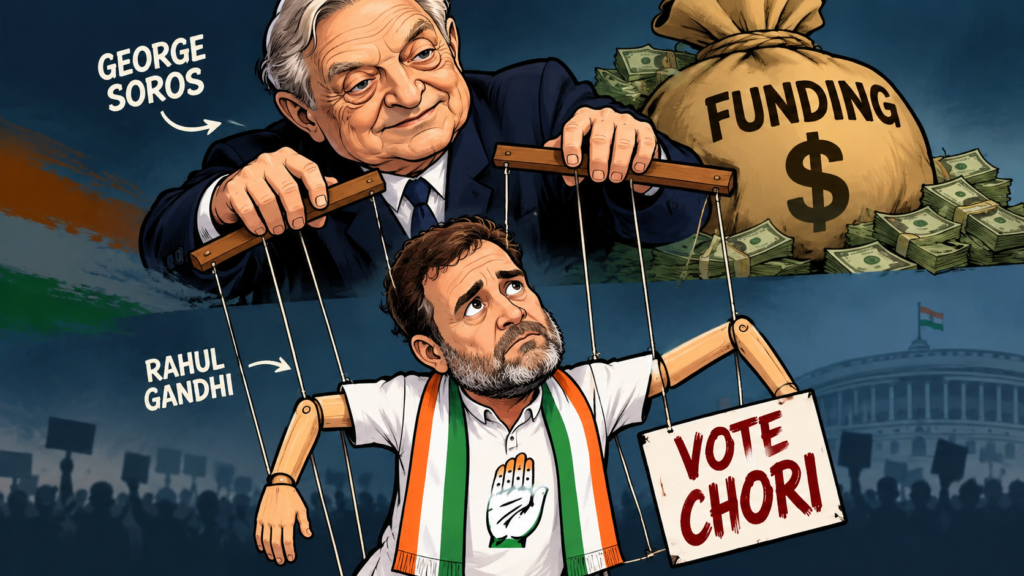
Vote Chori Campaign Under Scrutiny: Rahul Gandhi’s Allegations, Election Commission Dispute and George Soros Funding Claims

New Delhi | October 17, 2026 | Political News Desk

India’s “Vote Chori” controversy has intensified as Congress leader Rahul Gandhi and opposition parties challenge the Election Commission of India’s handling of electoral-roll revisions. The dispute has expanded from allegations of voter-list irregularities into a broader political confrontation over democratic accountability, institutional transparency and claims of foreign influence.

VOT CHORI CAMAPIGN

While Rahul Gandhi has repeatedly accused the BJP and election authorities of compromising electoral fairness, the Election Commission has maintained that its voter-roll revision exercise is intended to identify and remove ineligible entries. Meanwhile, public allegations linking billionaire George Soros to protests against India’s election authorities have added another dimension to the political debate. However, a direct financial or organisational connection between Soros and Gandhi’s Vote Chori campaign has not been established by the evidence cited here.

Rahul Gandhi Escalates the Vote Chori Campaign

Rahul Gandhi has made electoral transparency a central issue in his criticism of the BJP-led government. His allegations concern voter-list revisions, the removal of names, administrative procedures and the independence of election authorities.

The controversy intensified in September after an investigation by The Indian Express reported that Election Commissioners Sukhbir Singh Sandhu and Vivek Joshi had raised objections to several decisions within the Election Commission. Gandhi cited the reported disagreements while renewing his accusations against the BJP and the poll panel.

ADVERTISEMENT

In October, opposition leaders took their challenge to the Supreme Court. A petition filed by opposition representatives raised concerns about the Election Commission’s decision-making, changes to voter-registration procedures and the administration of electoral databases. The petition seeks greater transparency and safeguards for eligible voters.

These are allegations and legal arguments, not a final judicial finding that an election was stolen. Their significance will depend on the evidence examined by the courts and the responses provided by the relevant authorities.

Voter Deletions Raise Questions About Electoral Transparency

The Special Intensive Revision, or SIR, has become the central issue in the controversy. The Election Commission describes electoral-roll revision as a process for identifying deceased voters, people who have moved, duplicate entries and other ineligible registrations.

Opposition parties argue that the scale and implementation of the exercise raise concerns about eligible citizens losing their right to vote.

In Maharashtra, Rahul Gandhi criticised the draft electoral rolls after the Election Commission reported that approximately 2.07 crore entries were marked for deletion during the draft-stage revision. The Commission cautioned that the figure should not be interpreted as the final number of voters removed. <Cite refs={[“turn944190search6”]}/>

This distinction is essential. A draft-stage deletion figure does not establish that every affected person was eligible to vote, nor does it prove deliberate manipulation. Equally, administrative explanations should not prevent independent examination of cases in which eligible voters may have been wrongly excluded.

The key questions are whether affected citizens received appropriate notice, whether they could challenge decisions, and whether errors were corrected before elections.

George Soros Allegations: What Is Actually Established?

George Soros has frequently featured in Indian political debates about international funding, civil society and foreign influence. His name has also appeared in recent public allegations concerning protests against India’s Chief Election Commissioner.

On October 16, 2026, The Times of India reported that American singer Mary Millben alleged Soros was funding protests targeting the Chief Election Commissioner. The report describes her claims; it does not, by itself, establish that the allegations are true. <Cite refs={[“turn944190news10”]}/>

More importantly, an allegation about protest funding is not proof that Soros directs Rahul Gandhi’s electoral campaign. Establishing such a connection would require reliable financial records, documented organisational links or findings from a credible investigation.

No such direct link is established by the sources cited in this report. It would therefore be inaccurate to describe the Vote Chori campaign as a Soros-funded operation without further evidence.

Opposition Moves the Dispute to the Courts

The opposition’s legal challenge represents an effort to move the dispute beyond political speeches and public demonstrations.

The petition reported by India Today raises questions about changes to Form 6, the statutory application used to register eligible voters, and the centralised administration of electoral data. It seeks greater transparency and safeguards against the wrongful exclusion of citizens. <Cite refs={[“turn944190search5”]}/>

These issues warrant examination because electoral rolls form the foundation of the voting process. At the same time, filing a petition does not establish that every allegation contained in it is correct. The legal process must assess the applicable law, the documentary record and the Election Commission’s explanation.

An independent audit of disputed records, transparent deletion data and an effective appeals process could help resolve factual questions while protecting eligible voters.

Political Battle or Evidence-Based Accountability?

The Vote Chori controversy illustrates how electoral administration can become a national political flashpoint. For the opposition, the priority is to establish whether voter-list procedures have disadvantaged eligible citizens. For the Election Commission, the challenge is to demonstrate that its processes comply with the law and operate fairly.

The separate debate about foreign influence requires the same standard of proof. Political criticism of Soros, ideological disagreements or the timing of demonstrations cannot independently establish a funding arrangement.

The most constructive path forward is to publish verifiable records, investigate specific complaints and allow independent legal scrutiny to determine whether rules were violated.

Conclusion

Rahul Gandhi’s Vote Chori campaign has placed electoral-roll transparency and the Election Commission’s accountability at the centre of India’s political debate. Reported disagreements within the Commission, opposition legal proceedings and disputes over voter deletions make the issue worthy of detailed scrutiny.

However, claims of deliberate electoral theft must be distinguished from documented administrative disputes, and allegations involving George Soros must be supported by evidence before being presented as fact.

The central question remains whether every eligible Indian citizen can register, remain on the electoral roll and exercise the right to vote without wrongful interference. That question deserves answers grounded in evidence rather than political speculation.

City News E-Commerce Events Product Reviews Retail Shopping Startups & MSMEs

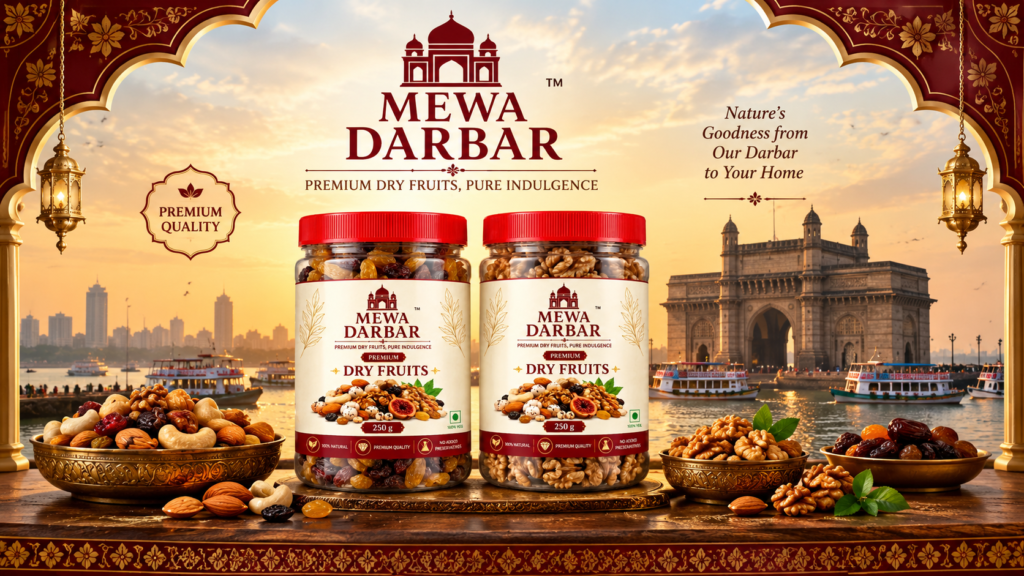
Diwali 2026: Forget the Usual Gift Hamper? Here’s Why Dry Fruits Deserve a Place on Your Shopping List

As the festive season approaches, households across India are preparing for Diwali celebrations, family gatherings, corporate gifting and exchanging gifts with friends and relatives. While traditional sweets remain an important part of the celebration, dry fruits offer another gifting option for people looking for something versatile, delicious and suitable for different occasions.

Diwali 2026: Forget the Usual Gift Hamper? Here’s Why Dry Fruits Deserve a Place on Your Shopping List

For shoppers planning their festive purchases, Mewa Darbar offers a destination to explore dry fruits for everyday consumption, festive gifting and sharing with loved ones.

From crunchy almonds and cashews to naturally sweet raisins and walnuts, dry fruits can add variety to festive hampers and household celebrations. Their convenience, versatility and long-standing place in Indian hospitality make them an option worth considering when planning Diwali gifts.

What Can You Buy From Mewa Darbar This Diwali?

Customers exploring festive purchases can look for a selection of dry fruits and combinations suited to their needs.

1. Almonds: A Classic Choice for Festive Gifting

Almonds are widely used in Indian households, from breakfast bowls and desserts to traditional festive recipes. They can also be included in personalised gift hampers alongside other dry fruits.

For people who prefer practical gifts that can be enjoyed beyond the festival, almonds are a familiar choice.

2. Cashews: A Festive Favourite

Cashews are popular for their rich taste and creamy texture. They can be served to guests, used in sweets and savoury dishes, or included in a dry fruit assortment.

A pack of cashews can be a suitable option for family visits, festive hosting and gifting to friends.

3. Raisins: Naturally Sweet and Versatile

Raisins bring natural sweetness to food and can be enjoyed as a snack or added to kheer, halwa, pulao and other festive preparations.

For shoppers who want variety beyond conventional sweets, raisins offer another way to make a dry fruit selection more interesting.

4. Walnuts: Add Variety to Your Festive Selection

Walnuts can be enjoyed as a snack or incorporated into breakfast bowls, desserts and homemade recipes. Their distinctive flavour makes them a useful addition to a mixed dry fruit selection.

5. Mixed Dry Fruits: More Variety in One Purchase

Not sure which variety to choose? A mixed dry fruit selection can bring together different flavours and textures in one purchase.

Depending on available products and pack sizes, customers can explore combinations for home consumption, family gifting and festive hampers.

Explore the available products at Mewa Darbar: https://www.mewadarbar.in

Why Choose Dry Fruits Instead of Another Conventional Diwali Gift?

Choosing a festive gift often involves balancing presentation, usefulness, taste and the recipient’s preferences. Dry fruits offer several practical advantages.

A versatile gift: Dry fruits can be shared with family, friends, colleagues and guests, subject to individual dietary preferences.

Useful beyond Diwali: Unlike many occasion-specific gifts, dry fruits can be consumed over time and incorporated into regular meals and recipes.

Suitable for different gifting occasions: They can be considered for family visits, festive hampers, office gifting and personal celebrations.

A variety of flavours: Almonds, cashews, raisins and walnuts provide different textures and tastes, making assorted selections appealing to people who enjoy variety.

A traditional connection: Dry fruits have a familiar place in Indian hospitality and festive food traditions, making them a natural option for seasonal gifting.

Buyers should check the product label, ingredients, pack size, freshness information, storage instructions and allergen details before purchasing. Dry fruits are nutritious foods, but they are not suitable for everyone, particularly people with relevant allergies.

How to Choose the Right Dry Fruit Gift This Diwali

Before placing an order, consider the person receiving the gift and the purpose of the purchase.

  • For family: Consider a selection of almonds, cashews, raisins and walnuts.
  • For friends: Choose varieties they enjoy eating regularly.
  • For office gifting: Compare pack sizes, packaging and the quantity required.
  • For festive hosting: Keep a selection of dry fruits available for serving guests.
  • For personal use: Choose quantities that match your consumption and storage needs.

If you are purchasing multiple packs, compare the total price, weight, packaging and delivery charges before confirming your order.

Why Explore Mewa Darbar This Festive Season?

Mewa Darbar is a dry fruit brand offering an online destination for customers interested in purchasing dry fruits. The brand’s product range can help shoppers explore familiar varieties for their festive shopping and everyday requirements.

Instead of leaving all your festive shopping until the last minute, you can browse the available products, compare options and plan purchases according to your budget and gifting requirements.

Customers should check the website for current availability, prices, delivery timelines and any active festive offers before ordering.

Website: https://www.mewadarbar.in

Make This Diwali About Thoughtful Gifting

Diwali is a time for sharing happiness, strengthening relationships and creating memories with family and friends. A thoughtfully selected gift does not need to be complicated; it should reflect the occasion and the person receiving it.

This festive season, explore almonds, cashews, raisins, walnuts and mixed dry fruit selections from Mewa Darbar to find an option that suits your celebrations.

Celebrate Diwali with a thoughtful choice. Explore Mewa Darbar and make dry fruits part of your festive shopping.

Visit www.mewadarbar.in to browse the available range.

City & Local City News

Vaishali, Ghaziabad PG Refund Row: Residents Seek Answers From Infiniza Living Sector-4

GHAZIABAD, UTTAR PRADESH: Questions have been raised over alleged security deposit refund delays at Infiniza Living PG in Sector 4, Vaishali, Ghaziabad. A complaint alleges that residents have faced difficulties obtaining clarity about the return of their deposits, raising concerns about transparency and accountability in the management of paying guest accommodation.

Security deposits are an important part of PG accommodation arrangements, particularly for students and working professionals who often need to manage rent, relocation expenses and other living costs. Residents generally expect the refund conditions, permissible deductions and timelines to be explained clearly before they move into a property.

Residents Seek Clarity on Refunds

The complaint concerning Infiniza Living centres on questions about the status of security deposits and the communication provided to residents regarding their refunds.

When a deposit remains disputed, residents need a clear explanation of whether any deductions have been applied, the contractual basis for those deductions and the expected date of payment. Without a documented response, disagreements can become difficult to resolve.

However, the number of affected residents, the amounts involved and the reasons for the alleged delays have not been independently established. The allegations should therefore be treated as claims requiring verification rather than proven findings of wrongdoing.

Questions for PG Management

The management of Infiniza Living should clarify its deposit refund policy and explain the procedure residents must follow to receive their money after leaving the accommodation. If refunds are pending, residents would benefit from written updates explaining the reasons and expected resolution dates.

The complaint identifies Arvind, described as a manager, and Ashish, described as an accountant, as individuals associated with the matter. Their precise roles in any disputed refund, however, have not been independently verified. No conclusion about individual responsibility should be drawn without supporting evidence and their responses.

A transparent explanation from the management could help address residents’ concerns and establish a clear record of the dispute.

Steps Residents Can Take

Residents who believe their security deposits have not been returned according to the agreed terms should retain their PG agreements, payment receipts, bank records, move-out documentation and written communications with management.

They can submit a formal refund request, ask for an itemised explanation of deductions and preserve any response received. If the matter remains unresolved, they may consider seeking advice through appropriate consumer grievance mechanisms or from a qualified legal professional.

Transparency Remains Essential

Disputes over accommodation deposits highlight the importance of clear agreements, timely communication and documented financial transactions. PG operators and residents both benefit when refund conditions are explained in advance and complaints are handled through a defined process.

The key questions remain: What is the status of the disputed deposits? What explanation has the management provided for any delay? And when can eligible residents expect a documented resolution?

Brand Stories Business Openings City News Corporate News Entrepreneurship Local Business Startups Startups & MSMEs

Engineering Was the Dream. Business Became the Destination: The Suryansh Pandey Story

Digto Media Feature Story: Engineering Was the Dream. Business Became the Destination: The Suryansh Pandey Story

AURAIYA: During an interview, entrepreneur Suryansh Pandey spoke about the career journey that took him from his hometown of Auraiya to Ghaziabad and later to Kanpur, where he is pursuing an MBA at PSIT. The founder of Mewa Darbar explained how his original ambition of becoming a civil engineer eventually gave way to business education, digital marketing and entrepreneurship.

Recalling his early ambitions, Pandey explained that civil engineering was once the career he wanted to pursue. However, when that plan did not work out, he decided to take a different direction and enrolled in a Bachelor of Business Administration (BBA) programme at I.T.S. Mohan Nagar, Ghaziabad.

“My Career Took a Different Turn”

Speaking about his change in direction, Pandey reflected on how his early plans differed from the path he eventually chose.

“Initially, I wanted to become a civil engineer. However, things did not work out as I had planned, and I decided to pursue BBA in Ghaziabad. That decision introduced me to a completely different world of business, management and marketing,” he said, according to the interview account.

He explained that choosing a different academic path helped him discover interests he might not otherwise have explored. His time in Ghaziabad became an important phase in developing his understanding of business and identifying his professional interests.

How Ghaziabad Shaped His Skills

During the interview, Pandey also discussed the role his college environment played in his development. He recalled how industrial visits organised during his graduation helped him understand business operations beyond classroom lessons.

He also credited his digital marketing faculty and trainer, Aman Sir, at I.T.S. Mohan Nagar for helping shape his digital marketing skills.

“College gave me opportunities to learn beyond textbooks. Industrial visits helped me understand how businesses work in the real world, while learning digital marketing helped me see how businesses can reach customers and build their brands online,” he explained.

For Pandey, these experiences helped connect academic learning with practical applications. Digital marketing gradually became an area of interest that would later influence his entrepreneurial ambitions.

From Digital Marketing to Mewa Darbar

When discussing the idea behind Mewa Darbar, Pandey’s journey moved from education to business creation. His interest in digital marketing and branding provided a foundation for exploring opportunities in the dry fruits market.

Mewa Darbar aims to develop its presence through online channels while expanding its retail opportunities. The business operates in a competitive category where product presentation, customer trust, pricing and service can all influence purchasing decisions.

Reflecting on his entrepreneurial direction, Pandey described the importance of applying his learning to real-world business challenges.

“Learning a skill is one thing, but applying it to build something of your own is a different experience. With Mewa Darbar, I want to use what I have learned about marketing and business to develop a brand and reach more customers,” he said, as paraphrased for this article.

As the brand develops, its ability to maintain consistent product standards, build customer relationships and manage distribution will be important to its long-term progress.

From Graduation in Ghaziabad to an MBA in Kanpur

After completing his BBA, Pandey continued his education by pursuing an MBA at PSIT Kanpur. He is now combining management education with his entrepreneurial interests.

During the interview, he reflected on how his professional outlook had changed since his school years. What began as an ambition to enter engineering gradually evolved into an interest in management, digital marketing and building a consumer brand.

His educational journey connects three important places: Auraiya, where he studied at St. Francis Academy; Ghaziabad, where he completed his BBA and developed his digital marketing skills; and Kanpur, where he is pursuing his MBA.

“The Journey Is Still in Progress”

Asked about the road ahead, Pandey’s story points towards the challenges of turning a developing venture into a sustainable business. Expanding a consumer brand requires more than online promotion. It also demands effective operations, customer satisfaction, financial planning and dependable distribution.

Mewa Darbar’s future growth will depend on how effectively the business addresses these priorities while developing its online and retail presence.

Pandey’s journey offers a reminder that an early career setback does not necessarily determine a person’s future direction. His civil engineering ambition did not materialise, but pursuing BBA introduced him to a different set of opportunities.

From the classrooms of Ghaziabad to his MBA studies in Kanpur, he has continued to develop his business interests while working on Mewa Darbar.

For Suryansh Pandey, the story is no longer only about the career he once imagined. It is about the business he is working to build—and the challenge of turning that ambition into lasting success.

City & Local Politics World News

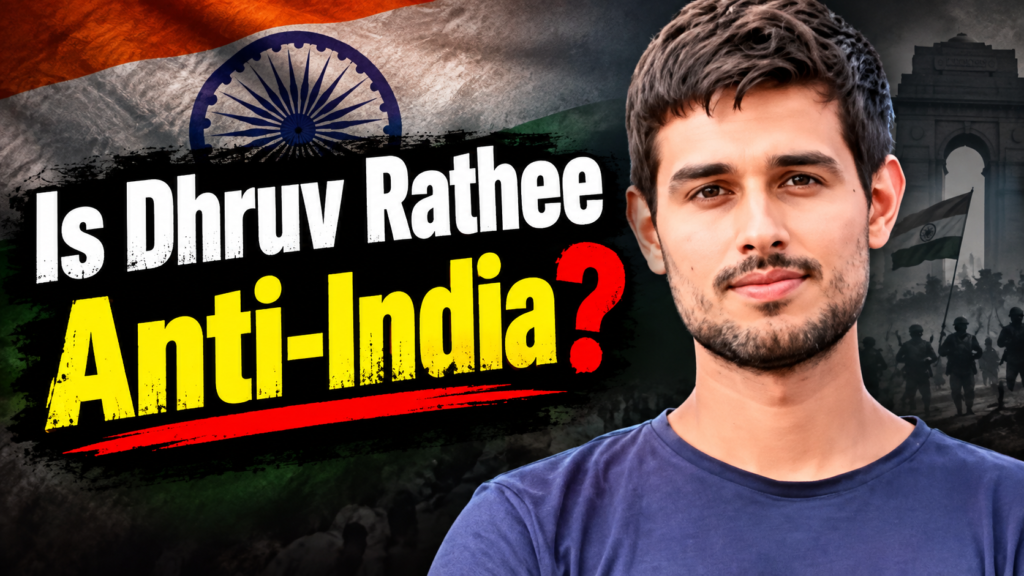
Is Dhruv Rathee Anti-India?

Is Dhruv Rathee Anti-India?

New Delhi | October 11, 2026: Political commentator Dhruv Rathee has become the focus of renewed public debate following reports of his detention in connection with a proposed protest in Delhi and his subsequent release. The reported incident has triggered discussions about political activism, freedom of expression and the growing influence of digital creators in India’s political landscape.

The controversy has also revived criticism of Rathee’s political commentary, particularly his videos examining the policies of the Narendra Modi government and the functioning of public institutions.

Why Was Dhruv Rathee Reportedly Detained?

The central question surrounding the reported incident is the reason behind the detention and the circumstances that led to Rathee’s release.

The situation has drawn attention to the relationship between police restrictions on public gatherings and citizens’ rights to participate in peaceful demonstrations. Establishing the precise grounds for the reported detention requires confirmation of the relevant police statements, orders and legal records.

Detention alone does not establish that a person has committed an offence. The legal circumstances must be examined independently of the political controversy surrounding the individual.

ADVERTISEMENT

Dhruv Rathee’s Political Videos Under Public Scrutiny

Rathee has built a substantial digital audience through videos discussing Indian politics, public policy and government decisions. His content has attracted both support and criticism, reflecting the sharp ideological divisions within India’s online political debate.

Supporters regard his videos as a way to question those in power, while critics challenge his political positions and interpretations of national issues.

The controversy raises an important question about accountability in digital media: are political claims being presented with sufficient evidence, context and transparency?

Individual statements can be evaluated by comparing them with original documents, verifiable data and other relevant evidence. Allegations of misinformation should be assessed claim by claim rather than assumed to be true because of a creator’s political position.

Is Dhruv Rathee Anti-India? The Political Debate

The label “anti-India” is frequently used in heated political arguments, but criticism of a government does not automatically establish opposition to the country.

Rathee’s critics may disagree with his conclusions or question his presentation of particular issues. However, any allegation that he deliberately spreads false information or acts against India’s interests requires specific evidence.

A fair assessment must distinguish political opinion from demonstrably false factual claims and legally established wrongdoing. The same standard should apply to commentators across the political spectrum.

Freedom of Expression and Accountability

The reported detention has brought renewed attention to the balance between public order and freedom of expression. India’s Constitution protects freedom of speech and peaceful assembly, subject to legally permitted restrictions.

Authorities must act within the applicable law, while public figures must remain accountable for factual claims they publish. Neither political popularity nor political unpopularity should replace evidence and due process.

What Happens Next?

Further clarity about the reported incident depends on verified information concerning the grounds for detention, any formal legal proceedings and the official explanation for the release.

For now, the episode highlights the increasingly prominent role of online personalities in political debate and the importance of evaluating controversial claims carefully.

The key question is not simply whether Dhruv Rathee supports or opposes a particular political party, but whether the claims made by all sides can withstand scrutiny based on evidence.

City News Deals Education Retail Shopping Startups & MSMEs World News

Health Benefits of Dry Fruits: Why Almonds, Cashews, Raisins and Walnuts Deserve a Place in Your Diet

Health Benefits of Dry Fruits: Why Almonds, Cashews, Raisins and Walnuts Deserve a Place in Your Diet

Delhi, India: Dry fruits have long been a part of Indian households, often served to guests, added to sweets and consumed during festivals. But beyond their traditional importance, nuts and dried fruits can also contribute valuable nutrients to a balanced diet.

Almonds, cashews, raisins and walnuts contain combinations of healthy fats, protein, fibre, vitamins, minerals and naturally occurring plant compounds. When consumed in appropriate portions, they can be a convenient addition to everyday meals and snacks.

As consumers become increasingly conscious about food quality and nutrition, premium dry fruits are also finding a growing place in modern kitchens. Brands such as Mewa Darbar are bringing commonly consumed dry fruits into convenient packaged formats, making it easier for consumers to keep products such as almonds, cashews, raisins and other premium varieties at home.

However, dry fruits are nutrient-dense foods, which means portion size remains important.

1. Almonds May Support Heart Health

Almonds are among the most popular nuts consumed in India. They provide protein, fibre, magnesium and predominantly unsaturated fats.

Including almonds as part of a balanced eating pattern may support cardiovascular health, particularly when they replace foods higher in saturated fats.

Almonds are also convenient as a snack. A small portion can be added to breakfast, yoghurt, oatmeal or smoothies.

For people who prefer simple foods with minimal preparation, keeping a pack of quality almonds at home can make healthy snacking more convenient.

2. Walnuts Provide Plant-Based Omega-3 Fats

Walnuts are particularly notable because they contain alpha-linolenic acid (ALA), a plant-based omega-3 fatty acid.

Omega-3 fats are associated with several aspects of cardiovascular health. Walnuts also provide protein, fibre and other nutrients.

Their slightly rich and earthy flavour makes them suitable for both direct consumption and recipes. They can be chopped into salads, breakfast bowls or desserts.

For consumers looking to diversify their nut intake, adding walnuts alongside almonds and other nuts can provide a broader range of nutrients.

3. Cashews Provide Energy and Minerals

Cashews are widely used in Indian cooking, sweets and snacks. They contain healthy unsaturated fats along with protein and minerals such as copper and magnesium.

Copper plays a role in energy production, connective tissue formation and normal functioning of the nervous and immune systems.

Because cashews are calorie-dense, however, eating them in moderate portions is generally more appropriate than consuming large quantities at once.

Premium-grade cashews can also be used in home cooking, including gravies, desserts and traditional festive preparations.

4. Raisins Offer Natural Sweetness

Raisins are dried grapes and contain naturally occurring sugars, making them a naturally sweet snack.

They also provide dietary fibre and minerals such as potassium and iron, although the exact nutritional contribution depends on the quantity consumed.

Raisins can be added to breakfast cereals, porridge, desserts or trail mixes. They can also provide sweetness to recipes without requiring additional refined sugar.

Since raisins are concentrated compared with fresh grapes, portion awareness is particularly useful.

5. Dry Fruits Can Make Snacking More Convenient

One of the biggest advantages of nuts and dried fruits is convenience.

Unlike many fresh foods, properly packaged dry fruits can generally be stored for longer periods and consumed without extensive preparation. This makes them practical for office workers, students, travellers and families.

A small combination of almonds, walnuts, cashews and raisins can also create a simple homemade trail mix.

The key is to focus on quality and portion size rather than treating dry fruits as unlimited snacks.

6. They Can Add Nutritional Variety to the Diet

Different dry fruits offer different nutritional profiles.

Almonds can contribute vitamin E, magnesium, fibre and protein. Walnuts provide ALA omega-3 fatty acids. Cashews contribute minerals and healthy fats, while raisins provide carbohydrates and naturally occurring sugars.

Combining different varieties can therefore add nutritional diversity to meals and snacks.

This is one reason many Indian households traditionally keep multiple varieties of dry fruits rather than relying on only one type.

Choosing Better-Quality Dry Fruits

Not all packaged dry fruits are necessarily the same. Consumers should pay attention to the ingredient list, packaging, freshness, storage conditions and whether additional sugar, salt, flavours or oils have been added.

For everyday consumption, many people prefer products that clearly communicate the variety, weight and ingredients on the package.

This is also where the premium dry-fruit segment is evolving. Brands such as Mewa Darbar are positioning products around carefully selected dry fruits and convenient consumer packaging, reflecting the broader shift towards quality-focused food products.

The important point for consumers is not simply the brand name but the quality, freshness and suitability of the product for their dietary needs.

How Much Dry Fruit Should You Eat?

Dry fruits are nutrient-dense, so more is not necessarily better.

A small handful of nuts can provide substantial calories. Individuals trying to manage their calorie intake should therefore pay attention to portion sizes.

People with specific dietary restrictions, allergies, diabetes or other medical conditions should also consider their individual nutritional requirements and seek professional dietary advice where necessary.

Another useful approach is to incorporate dry fruits into meals rather than treating them as an unlimited snack. A few almonds with breakfast, walnuts in a salad or a small quantity of raisins in porridge can be simple ways to include them in the diet.

The Traditional Food Getting a Modern Makeover

Dry fruits have always had a strong connection with Indian food culture. From Diwali gift boxes to wedding celebrations and traditional desserts, nuts and dried fruits have been associated with hospitality and special occasions.

Today, that tradition is increasingly being combined with modern packaging, e-commerce and direct-to-consumer food brands.

Consumers can now order products online and have them delivered directly to their homes, while brands are focusing more closely on packaging, product presentation, sourcing and convenience.

Mewa Darbar is part of this emerging premium dry-fruit category, offering products designed around everyday consumption as well as gifting and festive occasions.

For consumers, the bigger trend is clear: dry fruits are moving beyond the festival box and becoming a regular part of modern Indian snacking habits.

The Bottom Line

Dry fruits can be a nutritious addition to a balanced diet when consumed in sensible portions. Almonds, walnuts, cashews and raisins each offer different nutrients and can be incorporated into breakfast, snacks, salads and traditional recipes.

However, they should complement an overall balanced diet rather than be considered a replacement for fresh fruits, vegetables, whole grains or other essential food groups.

Whether purchased from a local dry-fruit store or a modern brand such as Mewa Darbar, consumers should look for freshness, good packaging, transparent labelling and products that match their dietary preferences.

With the right portions and a varied diet, a small serving of dry fruits can be a simple way to add nutrition, taste and convenience to everyday eating.

Health Disclaimer

This article is intended for general educational and informational purposes and does not constitute medical or dietary advice. Nutritional needs vary from person to person. Individuals with allergies, medical conditions or specific dietary requirements should consult a qualified healthcare or nutrition professional.

Brand Stories Business & Economy City News Consumer Corporate News Entrepreneurship Local Achievers Local Business PR & Communications Startups Startups & MSMEs Wellness

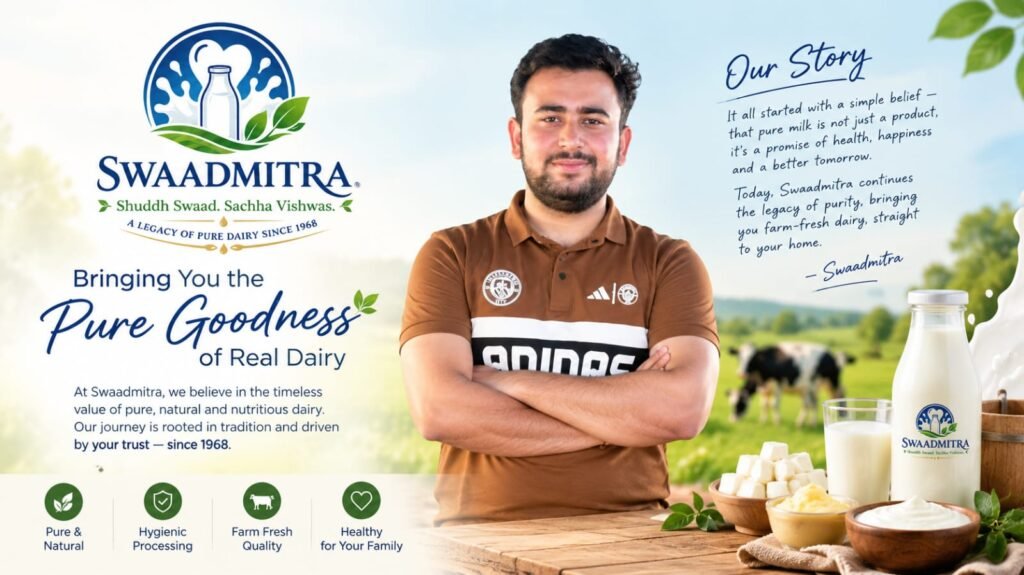
Swaadmitra: Palwal’s Emerging Dairy Startup Sells 1,000+ Boxes in a Month, Blending Legacy With a New-Age Vision

Swaadmitra: Palwal’s Emerging Dairy Startup Sells 1,000+ Boxes in a Month, Blending Legacy With a New-Age Vision

Palwal, Haryana: In a time when consumers are increasingly looking for freshness, quality and transparency in everyday food products, a young entrepreneur from Palwal is taking a traditional family dairy business into a new generation. Vansh Arora, founder of Swaadmitra, is building the brand around a simple idea—bringing the goodness of dairy to consumers while preserving the trust associated with a family legacy.

The startup has recently crossed an important early milestone, selling more than 1,000 boxes in a single month, reflecting growing consumer interest and the potential of a young brand operating in the competitive dairy segment.

What makes Swaadmitra particularly interesting is the story behind its founder. Vansh Arora is not entering the dairy business as an outsider looking for a new market. Instead, he is working to modernize and expand his family’s legacy dairy business, combining traditional experience with contemporary branding, packaging and customer-focused thinking.

From Family Legacy to Startup Vision

Swaadmitra’s story is closely connected with the family’s long association with dairy. The brand presents itself as carrying forward a dairy legacy dating back to 1968, with a focus on purity, natural products and consumer trust.

For Vansh, the objective is not simply to sell dairy products. It is about taking an established family business and building it into a recognizable modern brand.

This transition represents a familiar challenge for India’s family-run businesses. While generations may have built businesses through relationships and reputation, the next generation increasingly has access to digital marketing, e-commerce, modern packaging, social media and data-driven business decisions.

Vansh’s journey reflects that transition.

A Young Founder Balancing Education and Entrepreneurship

Vansh Arora completed his BBA from I.T.S Mohan Nagar, Ghaziabad, as part of the 2022–2025 batch. During his academic journey, he was exposed to business fundamentals, marketing, management and entrepreneurship.

Rather than waiting until the completion of his education to enter the business world, Vansh began focusing on the growth of his family enterprise.

He is currently pursuing an MBA from Amity University, while simultaneously working on expanding Swaadmitra.

Managing higher education alongside an operating business can be demanding. However, for Vansh, the combination offers an opportunity to apply classroom knowledge directly to a real business environment.

Marketing concepts, customer behaviour, branding, operations and business strategy are no longer simply academic subjects. They become practical challenges that need to be addressed while building Swaadmitra.

1,000+ Boxes in One Month

One of the biggest early milestones for Swaadmitra is its reported sale of more than 1,000 boxes in one month.

For an emerging consumer brand, this is more than just a sales number. It indicates that the company is beginning to establish demand and attract customers beyond the traditional family-business model.

The milestone also demonstrates the importance of presentation and brand positioning in today’s food market.

Consumers no longer evaluate dairy products only on price. Packaging, hygiene, freshness, brand identity, convenience and trust increasingly influence purchasing decisions.

Swaadmitra is positioning itself around these expectations.

Its communication focuses on pure and natural dairy, hygienic processing, farm-fresh quality and healthy choices for families.

Bringing Traditional Dairy Into a Modern Brand

India’s dairy market has traditionally been dominated by local milk suppliers, cooperatives and established national brands. This makes differentiation particularly important for new and emerging businesses.

Swaadmitra’s approach is to combine the familiarity of a family dairy business with the appearance and communication style of a contemporary consumer brand.

The visual identity of the brand reflects this strategy. Its branding combines dairy imagery, green elements and a strong emphasis on purity and freshness.

The message is simple: consumers should feel that they are purchasing a product connected to a real dairy legacy while receiving the convenience and presentation expected from a modern brand.

Why the Story Matters

The Swaadmitra story also highlights a larger trend taking place across India’s small and family-owned businesses.

Young entrepreneurs are increasingly stepping into businesses created by their parents and grandparents, but they are approaching them differently.

Instead of completely replacing traditional business models, many are attempting to upgrade them.

That can include:

  • Modern packaging
  • Digital marketing
  • Social media branding
  • Online customer acquisition
  • Better product presentation
  • Customer feedback systems
  • E-commerce and direct ordering
  • Data-driven decision-making
  • New distribution channels

For a legacy business, this transformation can open doors to customers who may never have discovered the business through traditional word-of-mouth alone.

Vansh Arora’s Entrepreneurial Approach

Vansh’s journey represents a combination of education, family experience and entrepreneurship.

His BBA background provided an introduction to business and management, while his current MBA journey is giving him an opportunity to deepen that knowledge. At the same time, Swaadmitra provides a practical platform where those ideas can be tested in the real market.

The 1,000-plus monthly box milestone gives the startup an early indication that the market is responding.

However, the next challenge will be much bigger: converting early traction into consistent growth.

For Swaadmitra, this could mean expanding its product portfolio, improving distribution, strengthening customer retention and building recognition beyond its home market.

The Road Ahead for Swaadmitra

The Indian dairy market offers significant opportunities, but it is also highly competitive. Established companies already have extensive distribution networks and strong consumer awareness.

For a growing brand like Swaadmitra, the advantage could come from creating a stronger connection with customers.

A clear brand story can help.

The company’s identity is not only about dairy products; it is also about a family legacy being carried forward by a new generation.

That story gives Vansh and Swaadmitra an opportunity to communicate something larger than a product.

The focus can gradually shift from simply selling dairy boxes to creating a trusted dairy brand associated with freshness, quality and family values.

A New Chapter for a Legacy Business

Vansh Arora’s entrepreneurial journey is an example of how India’s traditional businesses are evolving.

A family business that has been associated with dairy for decades is now being viewed through the eyes of a young entrepreneur who understands both traditional business relationships and modern management.

With 1,000+ boxes sold in a month, Swaadmitra has achieved an encouraging early milestone.

The bigger story, however, is what comes next.

If Vansh can successfully combine the trust of a legacy business with the branding, technology and customer experience of a modern startup, Swaadmitra could potentially grow from a regional family enterprise into a recognizable dairy brand.

For a young entrepreneur pursuing an MBA while building his family’s next chapter, Swaadmitra represents more than a startup. It represents an attempt to turn generational experience into a new-age consumer brand.

And with its early sales momentum, the next chapter of the Swaadmitra story is already beginning.

Scroll to Top